

Great Script, No Buyer? Write the Novel
Somewhere in a drawer, there’s a story you’ve given up on. You tell yourself it wasn’t good enough. But what if the problem was never the story? What if it was the shape you forced it into? I’ve watched rejected stories come back to life. Here’s what dies in the move, and what refuses to.

Why I Self-Published After Landing a Publisher
Fifty rejections. All of them said “I like it, BUT…” What I did with that BUT taught me why the self-publishing vs traditional debate asks writers the wrong question.

The Hitchcock Bomb Test: Suspense vs Mystery
You can write a gripping story and still lose your reader by chapter three. It won’t be because the writing is bad. It’ll be because the story broke a promise you didn’t know you’d made. Every genre makes one, and most writers only find out which one they’ve broken when the rejections start rolling in.

Editing Your Novel Without Editing Yourself Out.
There’s a moment in every rewrite when you make your story better and kill it at the same time. You won’t feel it happen. Your critique group won’t notice. Your editor might even praise it. You’ll only realise years later, when you reread it and can’t find yourself anywhere on the page.
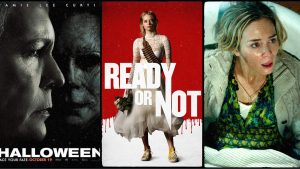
How Horror Rewrote Feminism.
I don't watch horror films. I find them a form of personal torture and I've spent thirty years avoiding them successfully. Then I watched eleven of them in a month. Not because I'd changed my mind. Because I'd noticed something, and I had to know if I was right.

How to Write a Plot Twist Readers Forgive.
It's the morning after the finale and your phone won't stop buzzing. Three group chats, all in capitals, half furious, half thrilled. Nobody's talking about the writing. They're talking about the one moment the floor dropped out. And there's a razor-thin line most writers cross without ever noticing…
How to Write Dialogue That Doesn’t Sound Fake.
You cut the filler. You added the subtext. You read every line aloud...twice. So why does your dialogue still land with a thud? I spent nine years getting this wrong before it finally clicked.

How to Write Dark Comedy Well.
Same corpse. Same kitchen floor. Two writers. One reaches for dread and writes a thriller. The other reaches for something else entirely, and writes something you can't stop reading. The difference between them isn't talent. It's one specific thing, and almost nobody names it…

Genre Expectations: The Promise You Must Keep.
"I don't know. It just wasn't what I expected." Every writer has had that review and dismissed it. It's the most accurate note you'll ever receive, and it's pointing at something you did on page one without noticing.

How to Write Time as a Character.
In the early eighties I dug up a jar someone had sealed and fully intended to come back for. He never did. For four seconds I stood in two times at once, and I've spent every book since trying to put a reader in that trench with me.

The Opening Line Is a Promise.
They didn't hate your book. They just set it down "for now." You know what "for now" means. The decision gets made earlier than most writers think, and there's a reason your reader can't quite name what went wrong...

Mirror Structure: Subplots That Reflect Your Story.
Your beta readers keep circling the same note: "It's good, but something's missing." They can't say what. Neither can you. I've read enough manuscripts to know where it's almost always hiding, and it's the one part of your story you've been treating as optional

How to Fix a Flat Scene.
There's a single question that separates the chapters readers skim from the ones they never forget. I only learned it because I stopped writing like a novelist, and started thinking like something else entirely. It rescued a scene I was ready to delete…

Pitch Your Book Without the Ick.
Feeling like a fraud when you pitch your book? Here's the twist: you literally can't be one. And once you understand why, staying silent about your book starts to look like the real crime. Let me explain what I mean…

How Genre Secretly Controls Your Characters.
There's a hidden rulebook running underneath every character you love, one that decides what counts as brave, what they're allowed to feel, and how fast they're allowed to change. Most writers never notice it. Here's how to actually use it.

Why Your Unreliable Narrator Is Cheating Your Reader.
The most powerful liar in storytelling isn't a villain, or a twist, or even a character. It's something you trusted completely this morning without thinking twice, and once you see it, you'll never read a "true story" the same way again.

Great Scenes, Failing Story? Here’s Why.
Halfway through my new novel, I hit a wall. Every scene worked, my critique partners loved them all. The manuscript still sagged. The problem was something most novelists have never been taught, but every screenwriter learns on day one. Here's what it is.

Why Isn’t My Writing Funny? Ask Mel Brooks.
Your comedy scene reads fine. Nobody's laughing. Why? Mel Brooks spent 100 years proving funny isn't luck, it's a craft with rules, and one you're almost certainly breaking. Here are seven, stolen from the master and the films still making us laugh today.

BOOK VS. TV SHOW: Shōgun.
Two adaptations of the same novel, forty-four years apart. One a relic, one a revolution. The difference comes down to a single craft choice most writers never think hard enough about. Once you see it in Shōgun, you'll see it everywhere.

How to Write Silence.
I typed two words into my manuscript without thinking "a pause"... then froze. It's a reflex every screenwriter has, and it's quietly killing your novel. Because the most powerful line in any scene is the one no character ever says, and here's how to write it.

Why Your Villain Isn’t Working.
I recently rejected a stunning screenplay. The protagonist was flawless. The prose was beautiful. But the entire world collapsed the moment the antagonist walked in. Here is the exact fatal flaw that killed that scrip, and how to ensure it never kills yours.

Stop Writing Wise Old Ladies.
Wise. Warm. Wistful. Those three words have killed more older women in fiction than any murderer I've ever written. So I've stopped being polite about it, six ways to write older women readers can't put down, starting with one who helps her daughter dispose of a body.

Why Getting Genre Wrong Kills Your Story.
Here's what nobody tells you about genre. It's not about which shelf your book sits on. It's a contract. An emotional agreement between you and your reader, made before they've read a single word. Get it right and they'll follow you anywhere. Get it wrong and they're gone, and they won't even know why.

Why Your Protagonist Is Boring (And How to Fix It).
Your protagonist is the hero of your story. So why does everyone else feel more alive on the page? Here's an uncomfortable question, when did your lead last genuinely surprise you? If you're hesitating, that's your answer. Seven signs, real examples, practical fixes. Go check if you're guilty.

Why Cosy Crime Is Taking Over the World.
Murder is having a makeover. Forget dark alleys and tortured detectives, readers want wit, warmth, and justice served with precision. Publishers are buying. Netflix is commissioning. Writers are paying attention. The cosy crime boom is real, it's now, and if you're not across it yet, you need to be.

150 Rejections and One Yes: The Truth About Querying.
Nearly 10 years. 150+ submissions. More silence than I care to remember. And then, a few weeks ago, an email arrived that stopped me mid-coffee. I'm not ready to shout about it yet, but I am ready to talk about everything that happened before it.

I Don’t Believe in Falling in Love — So I Wrote a Romance Novel.
Here's what nobody tells you about romance: the cringe isn't in the kissing scenes. It's in the lies we tell about love: the falling, the grand gestures, the idea that desire and love are the same story. I wrote a whole novel to prove otherwise

Why “Women’s Fiction” Hurts Authors.
I changed three words on my Amazon listing. Same cover, same description, same price. Within days, my novel was top of the charts. The three words I removed? 'Women's Fiction.' Here's why that label might be the most expensive mistake you never knew you were making.

The Pacing Trick Novelists Keep Missing.
Here's what nobody tells you: the writers whose novels you can't put down? They think like screenwriters. Not because they wrote scripts, but because they learned the one thing screenplay format forces you to confront. Your novel might be dying from a problem you don't even know you have.

Why Your Midpoint Is Weak (And How to Fix It).
Most writers treat the midpoint like a rest stop. A place to move a few chess pieces, raise a little tension, then carry on. But the midpoint isn't a rest stop, it's a detonation point. And if yours is weak, your entire second act is sinking in the swamp without you even knowing it.

Why Final Shots Outlast Final Words.
Forget the perfect opening line. The real secret to a haunting story lies in the final image, the "emotional signature" the audience carries home. From La La Land to Arrival, learn why your body remembers what it sees long after your mind forgets what was said.

The Character Who Could Save the World…Or End It.
Nobody pulls a scientist aside and says "hey, maybe ease up on the particle physics." Their obsession is the job description. Which means they never see the line coming. Because nobody told them there was one. Seven reasons the scientist is the most explosive character type in fiction, and why writers keep wasting them.

7 Backstory Mistakes Killing Your Story.
Your character’s past is either a heartbeat or a lead weight. Most writers pack their "backstory backpack" so full that the plot collapses by Chapter One. Are you unknowingly killing your momentum with "backstory bloat"? Discover the 7 fatal mistakes that turn epic origins into story-killers, and the one "drip-feed" secret that makes your narrative truly irresistible.

The Adaptations That Beat Their Own Books.
We talk endlessly about what adaptations lose. Nobody talks about what happens when they find something the book was too afraid to say. Five films. Five moments of unexpected courage.

Why Movies About Writers Are Lying to You.
You finish your novel. A publisher calls the next morning. Your book changes the world by Friday. Sure, Hollywood. Sure. The way films portray writers is so wildly wrong it's almost impressive, and if you're writing a writer character right now, you're probably guilty of at least three of these. Let's fix that.

You Were Watching the Wrong Story.
Some films tell you one story, and then, in the final scenes, reveal they were telling a completely different one the whole time. Like a great magician, they were distracting your eye while the real trick happened somewhere else. These 7 endings don't just surprise you. They reframe everything. And once you see it, you can't unsee it.

6 Films That Finally Got Female Rage Right.
We stopped diagnosing women with hysteria. We gave them the vote, the boardroom, the superhero franchise. And yet put a genuinely furious woman on screen and watch how fast people reach for 'unlikeable.' Six films that refused to apologise for female rage, and what they can teach you.

Why We Love Watching Experts.
Your popcorn goes cold. You forget your phone. Someone on screen is just really, really good at something. That's not an accident, and understanding why it works will change how you write characters forever.

House, Hannibal, Patch Adams: 9 Doctors Every Screenwriter Should Study.
What do the best medical characters on screen have in common? They're all terrible doctors. Reckless, obsessive, morally compromised and utterly unforgettable. I broke down nine of them, from House to Hannibal, and found the same craft lesson hiding inside each one. It'll change how you write every character from here on.

Subtext Isn’t Subtle: How Great Stories Say Less and Mean More.
Great scenes don’t always say what they mean, but they always know what they’re hiding. Subtext isn’t accidental, and it isn’t soft. Let’s talk about how precision, not restraint, makes dialogue, silence, and behavior emotionally powerful.

7 Friends-to-Lovers Stories That Got It Right.
Some love stories don’t start with sparks. They start with friendship, inside jokes, and someone who already knows your flaws...and stays. This Valentine’s Day, we’re celebrating the slow-burn romances that sneak up on you and change everything.

Stop Fixing “Unlikeable” Female Characters.
She's cold. She's angry. She's ambitious. She's... perfect. The 'unlikeable woman' critique is code for 'she's not behaving how we expect women to behave.' But the most memorable female characters of the past 25 years, from Miranda Priestly to Fleabag, are the ones who broke all the rules

Character vs Plot: Why This Writing Debate Is Completely Wrong.
The character vs plot debate has wasted years of writers' time. The truth? It's a false choice. The best stories from Dune to Gone Girl prove that character and plot aren't enemies, they're partners who make each other better

Writing Brilliant Strategists: 7 Characters Who Think, Not Fight.
Forget super strength and magic spells. The most dangerous weapon in fiction is a brilliant mind. I'm breaking down 7 strategic geniuses who prove brains beat brawn every time, and revealing exactly what makes their intelligence feel authentic, not convenient."

Why Readers Quit on Page One (And How to Fix Yours).
You’ve written a beautiful opening, but readers still drift away. The problem isn’t your writing. It’s where your story begins. Discover why great stories start later than you think, and how to fix a slow opening without losing what matters. I break down what makes these seven characters so memorable, and what writers can steal from them.

7 Therapists in Film & TV Who Nailed (or Failed) It.
Not all therapists are created equal. Some help you heal. Others manipulate, gaslight, or literally eat their patients. I break down what makes these seven characters so memorable, and what writers can steal from them.

7 Rom-Com Adaptations We Love.
Popcorn ready? These rom-com adaptations took our favorite books and turned them into swoon-worthy, laugh-out-loud cinematic gold. find out which films nailed the jump from page to screen.

How Symbolism Shapes Modern Narratives.
Ever noticed how certain symbols in movies and books seem to speak directly to your emotions without saying a word? From music that sets the mood to time-bending moments that shift our perspective, symbolism is the secret ingredient that elevates storytelling. In this post, we’re uncovering the 5 key ways symbolism adds depth, meaning, and layers to modern narratives, transforming ordinary stories into unforgettable experiences. Ready to see your favorite films and books in a whole new light.

How to Write Suspense That Hooks Readers.
We often think of suspense as cheap thrills or jump scares—but it’s so much more. Suspense is the heartbeat of storytelling, the invisible thread that keeps us up past midnight, whispering “just one more page.” It shapes how we feel, how deeply we care, and how tightly we hold on. And the best part? Any writer can learn to weave it. Ready to see how? Let’s dive in.

Serious Laughs: Using Humour to Tell Powerful Stories.
Laughter might not cure everything—but in storytelling, it gets pretty close. This post explores how humor helps writers and filmmakers tackle serious themes like loss, injustice, and identity. You'll learn six key techniques (with modern books and movies as examples) that show how comedy makes heavy moments hit harder—and stick longer. If you love stories that make you laugh, cry, and think, you’ll want to read this.

Telling Diverse Stories With Empathy.
From Crazy Rich Asians to Moonlight, some stories get cultural nuance exactly right—others, not so much. If you’re writing beyond your own borders, this post is your survival guide.

Why Writing Historical Fiction Is a Modern-Day Challenge.
Writing historical fiction today is a balancing act between staying true to history and keeping the story gripping enough to captivate modern readers. With social media and instant information, the stakes are higher than ever, authors face unique challenges that can make or break their novels. Want to know what they are? Keep reading!

TV Review: Matlock (2024)
What happens when you reboot a classic 80s courtroom drama and put a fierce, witty 70-something woman at the center? Matlock (2024) does just that, with Kathy Bates leading the charge and turning ageism into her secret weapon. Read the full review to see why this reboot might just restore your faith in second chances—on screen and off.

7 Movies That Changed the World.
We think of stories as just a fun escape—but they’re so much more. Long before social media, stories quietly rewired our minds, shifted beliefs, and sparked real change. They soften hearts, fuel movements, and reshape generations—all without preaching. They just need to give us characters we care about and journeys that stick with us forever. Curious how? Let’s dive in.

What Makes Family Drama So Addictive in Stories.
Family: can’t live with them, can’t write a good story without them. It’s no surprise that fiction is packed with unforgettable family stories. Whether it’s sibling rivalries, generational clashes, found families, or the delicious thrill of long-buried secrets, family dynamics are storytelling gold. Let’s dive into seven family dynamics that make stories tick, tug at our hearts, and keep us coming back for more.

The Truth About Memory and Character.
Memory isn’t just a boring list of events—it’s a messy mix of truth, feelings, and *what we wish had happened*. In fiction, that’s pure gold! Memory doesn’t just shape your characters; it *makes* them—driving their motivations, conflicts, and even the theme of your story. Curious how? Let’s dive into seven wild ways memory can take your character development (and your story) to the next level!

BOOK VS. TV SHOW: His Dark Materials.
Every so often, a screen adaptation doesn’t just honor a beloved book — it improves upon it. That’s a rare bit of magic, especially when the source material is as celebrated (and cerebral) as Philip Pullman’s His Dark Materials. But in this case, the HBO/BBC series doesn’t just bring the world of daemons, Dust, and armored bears to life — it refines, enriches, and emotionally grounds the story in ways the original trilogy sometimes couldn’t.

What Happened to Classic Romance Tropes?
Tired of the same old love stories? Discover how today’s storytellers are breaking the mold, transforming classic romantic tropes into deeper, smarter, and more authentic tales that actually reflect real love.

Breaking Down MAID – How MAID Nails TV Story Structure.
To understand how to write a Pilot and a full TV series, I watched many Pilots and mini-series (the type I wanted to turn Crime Cleaners into). It was the best education I could imagine. It wasn’t just bingeing; it was a deep-down breakdown of each episode and series. The best one for me was MAID (Netflix 2021)

Crafting Killer Short Story Arcs.
The other day, I forgot the cardinal rule of writing: the shorter the piece, the harder the punch. Compressing a character arc, emotional payoff, and satisfying resolution into 3,000 words? It’s like trying to fit a wedding dress, two cats, and a live saxophonist into a shoebox. It can be done, sure, but there will be casualties. A misplaced veil. A disgruntled cat. A jazz solo in the key of regret.

Say Less, Mean More: Movie Subtext Moments.
Let’s be honest: life doesn’t come with a script, but if it did, a lot of it would be filled with things we don’t say. We sidestep the truth, swallow our feelings, or make jokes instead of confessions. And when film dialogue reflects that — when it allows characters to speak in subtext — magic happens.

Movie Night – Nonnas.
Let’s be honest: sometimes, all you really want from a movie night is to be wrapped in a cinematic blanket of comfort. You want something that makes you laugh, sniffle a bit, and leave with a warm, satisfied smile—like finishing your Nonna’s lasagna and unbuttoning your jeans in blissful surrender.

The Stage Lives of Stories We Love.
So, whether you’re crafting the next binge-worthy TV series or penning a blockbuster script destined for the silver screen, it’s essential to understand that television and film aren’t just two sides of the same coin—they’re different beasts altogether.

Feminism in Pop Culture Movies.
So, whether you’re crafting the next binge-worthy TV series or penning a blockbuster script destined for the silver screen, it’s essential to understand that television and film aren’t just two sides of the same coin—they’re different beasts altogether.

When Place Becomes Plot.
One of the most important—but weirdly overlooked—questions in storytelling isn’t what happens. It’s WHY. The “why” is what makes characters tick. It’s what gives the audience something to lean into, scream at, cry over, or cheer for. Without motivation, even the most gorgeously shot blockbuster feels… meh. But when a character’s drive is clear and rooted in something real? Oof. That’s when you get goosebumps.

Movie Night – Black Bag.
Any new movie by Steven Soderbergh is reason enough to break out the popcorn. Watching one of his films is like unwrapping a Christmas present from that eccentric but classy friend—you never know what’s inside, but it’s guaranteed to be unexpected, stylish, and absolutely not boring. Black Bag, his latest cinematic gem, is no different. I walked into the theatre expecting a Bourne-style adrenaline rush and walked out with my heart full, my mind buzzing, and my expectations deliciously subverted. Who knew a spy film could break your heart just as effectively as it breaks necks?

Why They Do What They Do.
One of the most important—but weirdly overlooked—questions in storytelling isn’t what happens. It’s WHY. The “why” is what makes characters tick. It’s what gives the audience something to lean into, scream at, cry over, or cheer for. Without motivation, even the most gorgeously shot blockbuster feels… meh. But when a character’s drive is clear and rooted in something real? Oof. That’s when you get goosebumps.

Non-Linear Storytelling Made Simple.
Non-linear storytelling is like the rebellious cousin of traditional narrative structures. It flips timelines, twists perspectives, and throws the rules out the window. But why does it work so well? Well, it demands active engagement from the audience, urging them to think critically, question motives, and piece together fragmented details. This kind of storytelling doesn’t just tell you a story; it invites you to work for it. The payoff? A deeper emotional and intellectual experience that adds layers of complexity, suspense, and surprise.

What Makes a Book-to-Screen Adaptation Great?
In today’s world, studios lean heavily toward investing in well-established intellectual properties (IPs)—think bestselling novels, iconic franchises, or massive fanbases that have already proven their worth. But here’s the catch: even a fantastic source material won’t save an adaptation if it’s not done right. A great story, yes—but how it’s told? That’s where the magic happens.

Movie Night – Ordinary Angels.
It’s not every day you come across a film that combines raw emotion with powerful performances and a heartwarming message about kindness and second chances. Ordinary Angels (2024) is one of those rare films that hits all the right notes, leaving you feeling inspired and reminded of the importance of perseverance, community, and the possibility of redemption.

Why Your Villains Suck (And How to Fix It).
Let’s face it—villains have come a long way since the days of twirling moustaches and over-the-top evil laughs. Today’s audiences don’t just want some cartoonish bad guy plotting world domination—they crave complex, layered antagonists who make them question their own moral compass. The best villains make us squirm a little because we can almost root for them

How Your Life Makes Your Writing Better.
Ever heard the classic writing advice, “Write what you know”? It’s one of those phrases that sounds simple enough—until you sit down to actually do it and think, “Wait, what do I know?” Your personal experiences shape your creative writing in subtle and not-so-subtle ways, from the emotions your characters feel to the way they talk, fight, love, and dream.

7 Secrets to Realistic Dialogue.
Have you ever watched a movie or read a book and felt like it spoke to your soul? That’s not just movie magic or literary wizardry; it’s the theme doing its job. Theme is the message, the beating heart of your story, the truth you want to share with the world—or at least the truth your characters are grappling with. But don’t worry, crafting a strong theme doesn’t require a degree in philosophy. Let’s break down the 7 key elements that make your theme unforgettable.

How Female Oscar Winners Changed Film Forever.
As the awards season hits full throttle, the conversation is all about the blockbusters and the buzz-worthy films that are claiming all the accolades. But what about those hidden gems that deserve a little more love? You know, the films that dared to be different—pushing boundaries with bold storytelling, unique characters, and fresh perspectives that make you say, “How did I miss this?” So, without further ado, let’s talk about 10 hidden gems that are definitely worth your time!

Movie Night – Conclave.
The Pope is dead. The Vatican is on lockdown. 118 cardinals must elect the next leader of the Catholic Church. Sounds like a quiet, solemn affair? Think again. Conclave is less incense and prayer, more political chess match with life-altering stakes. The tension? Palpable. The drama? Delicious. The twist? Oh, we’ll get to that.

From Chornobyl to Oppenheimer – Rewriting the Past.
Storytellers today are diving into real-world events, reframing them in new ways, and drawing powerful connections between past and present. Whether it’s a fresh take on a well-known historical moment, a gut-wrenching allegory, or a complete reimagining of history itself, these narratives do more than just entertain—they make us reflect on who we are and how we got here.

14 Movie Kisses That Defined Romance.
There’s something undeniably magical about a well-executed cinematic kiss. It can encapsulate longing, passion, heartbreak, or even triumph in a single moment. Few movies capture the power of the silver-screen kiss as poetically as Cinema Paradiso (1988). And what better time to celebrate iconic kisses than on Valentine’s Day?

Women in Cinema – From Sidekick to Superstar!
Next month, we’ll be celebrating International Women’s Day, a special occasion to reflect on how far we’ve come in terms of the representation of women in cinema. The role of female protagonists in film has undergone a profound transformation over the last four decades. What was once a male-dominated arena is now more inclusive, diverse, and, dare I say, more exciting. Women are no longer relegated to the background or reduced to mere love interests. They are leading, fighting, and winning on-screen, mirroring the shifts in societal perceptions of gender roles.

Crafting Powerful Biopics – 7 Essential Elements.
Have you ever watched a movie or read a book and felt like it spoke to your soul? That’s not just movie magic or literary wizardry; it’s the theme doing its job. Theme is the message, the beating heart of your story, the truth you want to share with the world—or at least the truth your characters are grappling with. But don’t worry, crafting a strong theme doesn’t require a degree in philosophy. Let’s break down the 7 key elements that make your theme unforgettable.

How Culture Shapes Characters.
Let’s be real: when it comes to creating unforgettable characters, the magic often lies in the details—those little quirks, beliefs, and behaviors that make us feel like we’re peeking into someone’s real life. And what better way to add depth and authenticity than by diving into their cultural heritage? It’s like giving your characters roots that anchor them in a world of traditions, values, and history.

The Power of Character Arcs – From Flaws to Triumphs.
Ever been glued to a screen, cheering for a character like they’re your best friend, or shaking your head like, “No, don’t do it!”? That’s the magic of a great character arc. Watching a character grow, evolve, or self-destruct is one of the most satisfying parts of storytelling—it’s what makes a good movie or show stick with us long after we’ve finished the popcorn. So, let’s dive into character arcs.

6 Golden Rules for Crafting Honest, Fun, and Kind Book & Movie Reviews.
Writing reviews is its own art form. It’s like a dance: one part honesty, one part empathy, and a sprinkle of humour to keep it light. Ready to become a reviewer who’s both insightful and kind? Let’s dive into these six golden rules with a dash of fun.

10 Overlooked Films Worth Watching.
As the awards season hits full throttle, the conversation is all about the blockbusters and the buzz-worthy films that are claiming all the accolades. But what about those hidden gems that deserve a little more love? You know, the films that dared to be different—pushing boundaries with bold storytelling, unique characters, and fresh perspectives that make you say, “How did I miss this?” So, without further ado, let’s talk about 10 hidden gems that are definitely worth your time!

Unlocking the Magic of Visuals – Essential Cinematic Tools for Screenwriters.
While the term “classic” can feel a little subjective (we all have our favourites, right?), there are certain qualities that most classic films share. These movies have some kind of magical blend of storytelling, artistry, and emotional pull that makes them stand out across generations. So, let’s break it down! What makes a movie a classic, and more importantly, what lessons can modern filmmakers and screenwriters learn from these cinematic masterpieces?

Is “Nobody Wants This” the Rom-Com Binge You’ve Been Waiting For?
t’s as if Netflix read my advice (before I even wrote it!) and decided to give us a fun, if imperfect, example of what it looks like to create a love story full of endearing (and occasionally cringeworthy) moments. Amid today’s TV landscape, crammed with intense dramas and dystopian sagas, Nobody Wants This offers a refreshing throwback to classic rom-com charm.

How to Craft a Memorable Theme.
Have you ever watched a movie or read a book and felt like it spoke to your soul? That’s not just movie magic or literary wizardry; it’s the theme doing its job. Theme is the message, the beating heart of your story, the truth you want to share with the world—or at least the truth your characters are grappling with. But don’t worry, crafting a strong theme doesn’t require a degree in philosophy. Let’s break down the 7 key elements that make your theme unforgettable.

How to Make Characters Fall in Love (Without Cheesiness).
Whether you’re working on a rom-com or sprinkling romance into your thriller, understanding how to build tension between characters is key. Let’s dive into the elements of romantic tension, equipped with lessons from some recent beloved movies and books that’ll keep you entertaine

What Makes a Movie a Classic? Timeless Lessons from 12 Iconic Films.
While the term “classic” can feel a little subjective (we all have our favourites, right?), there are certain qualities that most classic films share. These movies have some kind of magical blend of storytelling, artistry, and emotional pull that makes them stand out across generations. So, let’s break it down! What makes a movie a classic, and more importantly, what lessons can modern filmmakers and screenwriters learn from these cinematic masterpieces?

The Magic of Symbolism in Film: It’s All Up to Your Imagination!
Let’s take a moment to discuss this mysterious creature known as symbolism in film. It’s a bit like that hidden menu item at your favourite restaurant—everyone talks about it, but you don’t really know what to expect until you dive in. Film symbolism cleverly uses imagery, colours, objects, or even characters to convey deeper meanings. It’s the director’s way of whispering secrets to the audience, inviting us to ponder and interpret what we see.

From Tolkien to Kay – What Writers Can Learn About Epic Fantasy Storytelling.
For years, The Lord of the Rings was my gold standard, the story I held in my head as the pinnacle of what fantasy could be. But here’s the thing: the more I explored the genre, the more I realized there’s a whole world of epic fantasy that goes far beyond the borders of Tolkien’s Middle-earth. And let me tell you—one book series in particular completely stole my heart: The Fionavar Tapestry by Guy Gavriel Kay.

Write Like the Masters – How Classic Novels Teach Modern Writers to Shine.
These classics aren’t just dusty relics sitting on the top shelf of your local library. They are treasure troves of inspiration, bursting with storytelling techniques that can elevate your own writing, whether you’re crafting your first novel or refining your tenth. What made these books endure is worth studying, as the lessons they offer are just as fresh and practical as ever.

Beyond the Expected: The Art of Subverting Genre Tropes.
Genre tropes are like the secret ingredients in the storytelling recipe. They’re the familiar building blocks that give shape and structure to narratives, providing audiences with a comforting sense of recognition. In this blog post, I’ll dive into the significance of genre tropes, discuss when to embrace them, and explore the art of subverting expectations to craft engaging and thought-provoking narratives.

Motivation Matters – The Heartbeat of Your Story.
Picture this: you’re deep into a gripping novel or binge-watching your favorite TV show, and you find yourself on the edge of your seat, heart racing, totally engrossed. What’s pulling you in? Sure, the plot is thrilling, and the twists are mind-blowing, but the real magic lies in something more profound – Character Motivation.

Scene Stealers: How Iconic Movie Moments Can Transform Your Writing.
When it comes to screenwriting, there’s no better way to sharpen your skills than to study the greats—those unforgettable scenes from cinema history that leave a permanent mark on our hearts and minds. As screenwriters, we must treat these scenes as classrooms, each a masterclass in storytelling, character development, dialogue, and visual composition.

The Art of Writing Believable Dialogue.
Dialogue is the lifeblood of storytelling. It’s the heartbeat that brings characters to life, propels the plot, and reveals hidden truths about the world they inhabit. But crafting dialogue that rings true? That’s one of the toughest challenges a writer can face. The difference between dialogue that pulls you into the story and dialogue that yanks you out is all in the details.

Behind the Scenes – 6 Key Differences Every Writer Should Know.
So, whether you’re crafting the next binge-worthy TV series or penning a blockbuster script destined for the silver screen, it’s essential to understand that television and film aren’t just two sides of the same coin—they’re different beasts altogether.

From Page to Screen – How to Adapt a Book into a Hit Movie.
In the fast-paced, ever-evolving world of film and television, studios and production companies are increasingly drawn to the rich treasures buried in the pages of literature. However, not all adaptations hit the mark. It takes more than just a captivating story to transform a book into a hit movie or TV show. The most successful adaptations capture the original material’s essence while enhancing or transforming it in uniquely cinematic ways. Here Are 7 Essential Tips For Crafting A Great Adaptation.

Beyond the Blurb – Craft a Killer Logline That Sells Your Story.
Grabbing attention is everything in the bustling worlds of screenwriting and book publishing. Producers and agents are swamped with scripts and manuscripts, and guess what? They don’t have time to read them all. This is where the mighty logline steps in. Think of it as your story’s elevator pitch—a brief, irresistible teaser that makes them want to dive into your full work.

Beyond “Strong Female Character” – Why Beth Dutton is a Must-Watch.
Meet Beth Dutton – The Queen of Complexity – Beth Dutton (Kelly Reilly) isn’t your average TV daughter. Sure, she’s got a sharp tongue and can be ruthless, but that’s just the tip of the iceberg. Beneath the designer clothes and biting remarks lies a woman shaped by past trauma and a fierce love for her family. Screenwriters take note – Beth Dutton is a masterclass in crafting compelling female characters.

Conflict: The Secret Sauce of Stories.
For those who are unfamiliar with these terms, a “Pantser” is a writer who writes without a clear plan or outline, allowing the story to unfold organically. On the other hand, a “Plotter” is a writer who meticulously plans out the story before starting to write, outlining the plot, character arcs, and key events.